
- Built Environment (Buildings, Townscapes, Archaeological remains, Urban Parks)
- Natural Environment (Rural landscapes, Coasts, Shorelines, Biological, Geological formations)
- Artefacts (Books & Documents, Objects, Pictures, Cultural heritage)
- Performance (Intangible cultural heritage, Oral traditions, Rituals, Performing arts)
- Conserve, protect and enhance the natural beauty of the coastline, their marine flora and fauna, and their heritage features
- Encourage the public’s enjoyment, understanding and appreciation
- Maintain and improve the health of inshore waters affecting heritage coasts and their beaches through appropriate environmental management measures
- Take account of the needs of agriculture, forestry and fishing, and of the economic and social needs of the small communities on these coasts.
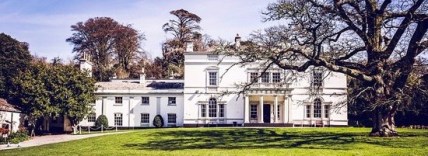
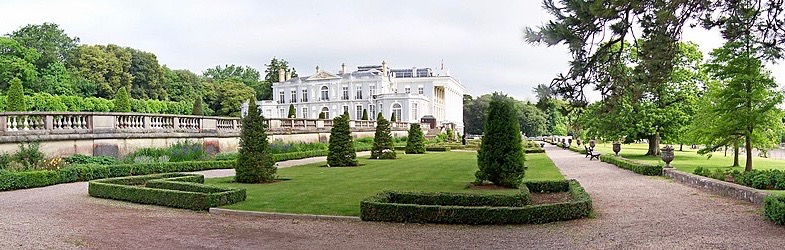
Lupton Park Listed Grade II* – A late eighteenth-century parkland landscape and mid-nineteenth-century formal gardens
Listed Buildings Torbay “A building which is for the time being included in a list compiled or approved by the Secretary of State under this section; and for the purposes of this Act – Any object or structure fixed to the building. Any object or structure within the curtilage of the building which, although not fixed to the building, forms part of the land and has done so since before 1st July 1948. Shall subject to subsection (5A)(a) be treated as part of the building.”
Torquay Pavilion Listed Grade II
Heritage Settings in Torbay “The surroundings, the curtilage in which a heritage asset is experienced. Its extent is not fixed and may change as the asset and its surroundings evolve. Elements of a setting may make a positive or negative contribution to the significance of an asset, may affect the ability to appreciate that significance or may be neutral.” “The surroundings in which a place is experienced, its local context, embracing present and past relationships to the adjacent landscape.” “The setting of a heritage structure, site or area is defined as the immediate and extended environment that is part of, or contributes to, its significance and distinctive character. Beyond the physical and visual aspects, the setting includes interaction with the natural environment; past or present social or spiritual practices, customs, traditional knowledge, use or activities and other forms of intangible cultural heritage aspects that created and form the space as well as the current and dynamic cultural, social and economic context.” Conservation Areas Torbay There are 24 areas “of special architectural or historic interest, the character or appearance of which it is desirable only to ‘preserve or enhance’ its significance for a positive and collaborative approach to conservation that focuses on actively managing change. The aim is to recognise and reinforce the historic significance of places, while accommodating the changes necessary to ensure their continued use and enjoyment whilst preserving and enhancing the area. The potential development must not exceed prescribed limits.” Conservation Area Setting “The setting of a conservation area is created by the relationship with its surrounding landscape or townscape. These surrounding areas can contribute significantly to the atmosphere and character of the conservation area and should always be considered when a development scheme proposed is close to a conservation area boundary.” Sustainable Development “Development that meets the present needs of the above Built Heritage and Green Spaces, without compromising the ability of future generations to meet their own needs.” In September 2007 the English Riviera received international recognition for its rich geological, historical and cultural heritage. Torbay is situated within the stunning, rolling hills of South Devon, and Torbay’s geology has created the beautiful coastline of today, which fundamentally links the rich diversity of landscape with wildlife, people and culture. Hopes Nose is a Geopark, a significant coastal area of Torquay of Special Scientific Interest. The Geopark’s outstanding historical contribution, both in terms of the development of geological and archaeological sciences is astounding, UNESCO Geopark Torbay “A UNESCO global geopark is a unified area with a geological heritage of international significance. A unified area that advances the protection and use of geological heritage in a sustainable way, and promotes the economic well-being of the people
“UNESCO Global Geoparks must respect local and national laws relating to the protection of geological heritage and the defining geological heritage sites within a UNESCO Global Geopark must be legally protected. This is done through a variety of mechanisms depending on what is most appropriate in each UNESCO Global Geopark but may involve inclusion of key geological sites and landscapes in local development plans, planning policies or by applying statutory designations.
UNESCO Global Geoparks status on its own is not a statutory designation and therefore cannot be used to restrict development, but as a tool to raise the awareness and understanding of an area’s natural and cultural heritage.”
“A UNESCO global geopark is a unified area with a geological heritage of international significance. A unified area that advances the protection and use of geological heritage in a sustainable way, and promotes the economic well-being of the people
“UNESCO Global Geoparks must respect local and national laws relating to the protection of geological heritage and the defining geological heritage sites within a UNESCO Global Geopark must be legally protected. This is done through a variety of mechanisms depending on what is most appropriate in each UNESCO Global Geopark but may involve inclusion of key geological sites and landscapes in local development plans, planning policies or by applying statutory designations.
UNESCO Global Geoparks status on its own is not a statutory designation and therefore cannot be used to restrict development, but as a tool to raise the awareness and understanding of an area’s natural and cultural heritage.”
 Torbay Heritage Trust